
What to Look for During a Home Inspection Before Closing on a House
A home inspection is your single best opportunity to uncover hidden problems before you become financially responsible for them. Whether you are a first-time buyer or a seasoned homeowner, understanding exactly what to scrutinize—and why—can save you thousands of dollars and months of stress after move-in day.
Why the Home Inspection Matters More Than You Think
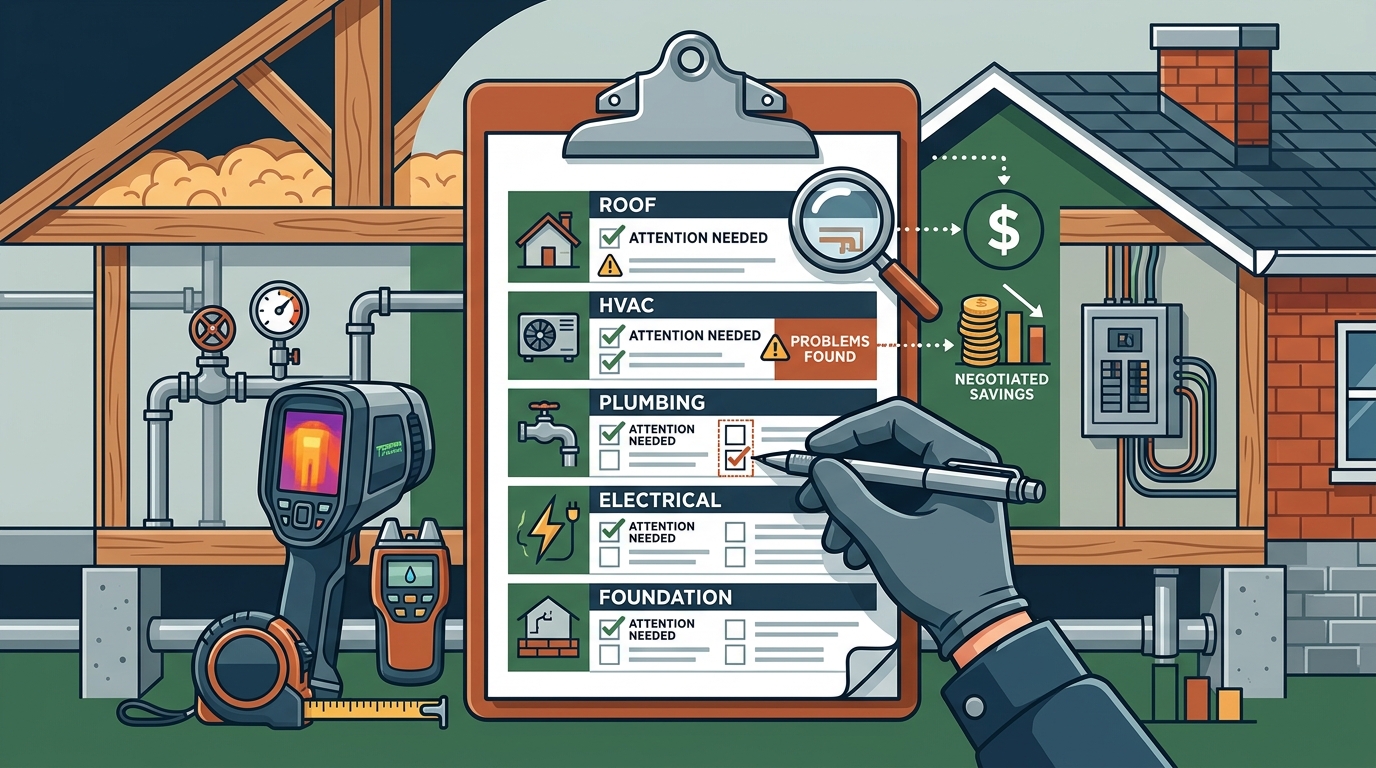
Many buyers treat the inspection as a formality, but the data tells a different story. According to recent industry analysis, roughly 86% of home inspections uncover issues that require attention, and buyers who leverage those findings negotiate an average of $14,000 off the sale price. The most frequently flagged problems include roof issues at 19.7%, electrical problems at 18.7%, and window defects at 18.4%.
A professional inspection reviews every major system—roof, foundation, plumbing, electrical, HVAC, and structural elements—giving you a clear picture of what you are actually purchasing. Without one, you are essentially buying a property blind.
How the Inspection Process Works
Your purchase agreement should include a home inspection contingency, which is a clause that makes your purchase conditional on the results of a professional inspection. Typically, you have 7 to 10 days after an accepted offer to schedule and complete the inspection. The inspector delivers a detailed report, and you then decide whether to accept the home as-is, request repairs, negotiate credits, or walk away entirely.
Most inspections take two to four hours depending on the property's size, and reports are usually delivered within 48 hours. In 2025, the national average cost for a standard inspection is approximately $343, ranging from $296 to $424 based on location and home size. The buyer almost always pays for the inspection directly.
The 9 Critical Areas to Examine During Your Home Inspection
1. Foundation and Structural Integrity
The foundation is arguably the most consequential area of any inspection. A cracked, crumbling, or shifting foundation can create a domino effect that damages virtually every other system in the home. Look for large cracks in walls or ceilings, sloping or uneven floors, sticking doors and windows, bowing foundation walls, and gaps between floors and baseboards.
Foundation repair costs average around $5,165 but can range between $2,218 and $8,111 depending on severity. Severe structural issues are rare but can be financially devastating, so if anything raises concern, consult a structural engineer before proceeding.
2. Roof Condition
Nearly one in five home inspections turns up a roof-related problem. A compromised roof can lead to leaks, mold growth, and skyrocketing energy bills. During the inspection, your inspector should evaluate shingles for missing, curling, or cracking sections; check for visible sagging; look for water intrusion signs in the attic; and examine gutters for excessive granule loss.
Roof repairs typically range from a few hundred dollars to over $13,000 for a full replacement, making this one of the most expensive items that can appear on a report. Ask the inspector about the roof's estimated remaining lifespan—this detail alone can significantly affect your negotiation strategy.
3. Electrical System
Electrical deficiencies are among the most common and most dangerous findings. Inspectors scrutinize the main panel, wiring type, outlet grounding, and safety devices. Common red flags include reversed polarity, exposed splices, non-grounded outlets, overloaded circuits, and breakers that do not match the panel.
Older homes may contain aluminum wiring or outdated panels such as Zinsco and Federal Pacific brands, which have been linked to fire hazards. Many insurance companies will not insure a home with aluminum wiring, and the national average for rewiring a house is approximately $16,000. Even if the wiring is acceptable, confirm that GFCI outlets are installed in kitchens, bathrooms, and outdoor areas—missing ones are a frequent code violation.
4. Plumbing System
During the inspection, run water in all sinks and tubs simultaneously to test for pressure drops that could indicate undersized supply lines. Flush all toilets and listen for gurgling sounds from other drains, which is a classic indicator of a venting problem. Look inside cabinets under sinks with a flashlight for any signs of slow drips or moisture.
Inspectors also flag outdated piping materials. Polybutylene plastic supply pipes, commonly used between 1978 and 1994, are prone to higher rates of leaks and failures. Cast iron and galvanized piping are susceptible to corrosion over time. The presence of these materials does not automatically warrant replacement, but you should factor potential future costs into your offer.
5. HVAC and Ventilation
Heating and cooling systems are expensive to replace—typically $5,000 to $10,000 or more—so they deserve careful attention. The most common inspector recommendation is to service the HVAC system, often due to dirty or clogged filters, malfunctioning thermostats, or leaking refrigerant. Furnaces or air conditioners that have exceeded their expected lifespan are often flagged for replacement.
Beyond the equipment itself, inspectors check ventilation in bathrooms and kitchens. Poor ventilation from over-sealed homes can cause excessive interior moisture, leading to rot and premature failure of structural and non-structural elements. Carbon monoxide risks from unvented systems are another serious concern that inspectors document.
6. Water Damage and Drainage
Improper grading and drainage is one of the most frequently found problems in home inspections. When water flows toward rather than away from the foundation, it can crack slabs, penetrate basements, and foster mold growth. Clogged gutters, missing downspout extensions, and improper drainage discharge are typically classified as maintenance items, but if left unaddressed they can contribute to major moisture damage over time.
Inside the home, look for water stains on ceilings, walls, and around fixtures. Water intrusion can cause swelling or warping in wooden components like joists, beams, and wood flooring—damage that may not be immediately visible but is costly to repair.
7. Exterior Envelope
The exterior walls and weather barriers form the home's primary defense against the elements. This system protects the structure from water intrusion, air leakage, and thermal transfer. Check for gaps in caulking around windows, doors, and where different materials meet. Look for missing fascia boards, lack of weep holes in brick veneer, missing or improper deck flashing, and deteriorating mortar in exterior chimneys.
Operate every window and door in the house. They should open and close without excessive force, and locks should engage easily. Drafty frames, broken seals, and difficult operation are common findings that may indicate settling, warping, or installation defects.
8. Pest and Environmental Hazards
Termite or pest infestations are common reasons for inspection delays and loan complications. Look for signs of pest damage on exterior wood, in crawlspaces, and around the foundation. Certain environmental hazards—lead-based paint in pre-1978 homes, asbestos surfaces, radon, and mold—require specialized testing that goes beyond a standard inspection.
If your inspector identifies evidence of any of these hazards, you may need a clearance letter from a licensed specialist before closing. FHA loans have particularly strict requirements: peeling paint in older homes, missing handrails, and electrical safety hazards must all be addressed before the transaction can proceed.
9. Safety Devices and Code Compliance
Inspectors document the presence and function of smoke alarms, carbon monoxide detectors, GFCI outlets, anti-tip brackets on ranges, and handrails on stairs. Many older homes lack the correct number of smoke detectors or have no carbon monoxide detectors at all. Missing anti-tip brackets and absent GFCI outlets near water sources are among the most universally flagged items.
While these are often inexpensive fixes—a single GFCI outlet replacement typically costs $15 to $50 for materials—their absence signals potential deferred maintenance throughout the property.
What Inspectors Cannot See: Hidden Limitations
Even the most thorough inspection has boundaries. Inspectors perform a visual, non-invasive assessment, which means they cannot see inside walls, under floors, or behind appliances. If the home is still occupied, furniture and personal belongings may block access to critical areas.
A home inspection also provides only a snapshot of conditions at the time of the visit. It cannot predict when a system will fail. For this reason, consider hiring specialized contractors—such as a sewer scope technician, structural engineer, or certified HVAC specialist—for areas where the general inspection raises questions. A home warranty can also provide a financial safety net for unexpected breakdowns after closing.
How to Use Inspection Results in Negotiations
Your inspection report is a powerful negotiation tool. You have several options once findings are documented:
- Request repairs: Ask the seller to fix specific issues before closing. Prioritize safety concerns first and major systems second.
- Negotiate credits: Instead of repairs, request a dollar amount off the sale price or a credit at closing to handle fixes yourself.
- Renegotiate the price: For large-ticket items like roof replacement or foundation work, a price reduction may be more appropriate than a repair credit.
- Walk away: If repair costs exceed your budget or the seller refuses to negotiate on safety concerns, your inspection contingency allows you to exit without penalty.
A seller is not legally required to make any repairs based on the inspection. However, the inspection contingency gives you leverage: you can negotiate for repairs, credits, or a reduced price, and you retain the right to cancel the contract if the findings are unacceptable.
Choosing the Right Home Inspector
Not all inspectors deliver the same quality of work. Start by verifying state licensing requirements and looking for certifications from organizations like ASHI (American Society of Home Inspectors) or InterNACHI (International Association of Certified Home Inspectors). Ask to see proof of licensing, insurance, and any specialized training.
Request sample inspection reports before hiring—the quality of documentation varies widely. Look for reports with clear photographs, prioritized severity levels, and specific repair recommendations. Your real estate agent can often recommend inspectors they trust based on past experience.
Key Takeaways
- Approximately 86% of inspections uncover issues requiring attention—no home is perfect, but every issue is fixable.
- Foundation, roof, electrical, plumbing, and HVAC are the five highest-cost areas to watch during an inspection.
- Always include an inspection contingency in your purchase agreement to protect your ability to negotiate or walk away.
- Standard inspections cannot detect everything—hire specialists for sewer lines, radon, mold, or structural concerns when warranted.
- Use findings strategically: buyers negotiate an average of $14,000 in savings using inspection results.
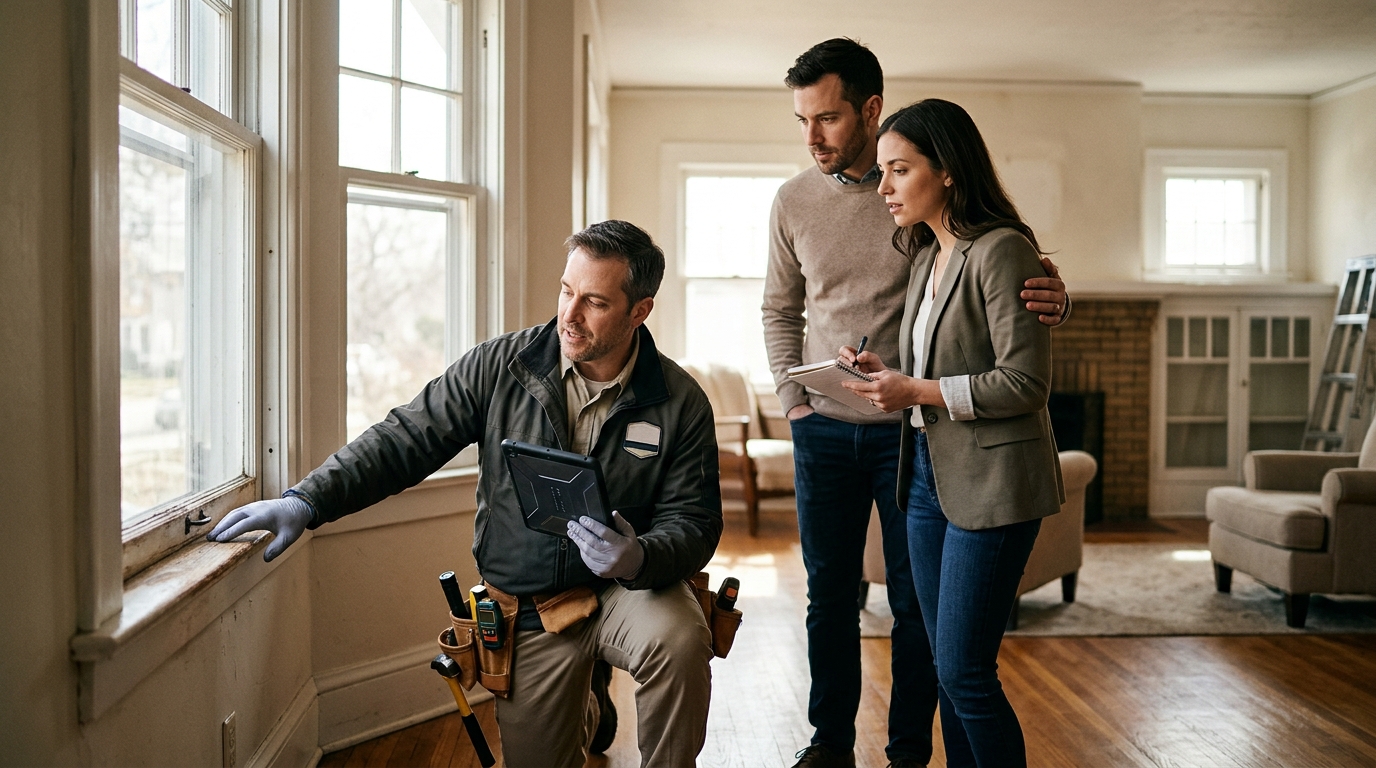
- Attend the inspection in person whenever possible to ask questions and learn about the home's systems firsthand.
Frequently Asked Questions
How much does a home inspection cost?
The national average is approximately $343, with costs typically ranging from $296 to $424 depending on home size, age, and location. The buyer pays the inspection company directly.
How long does a home inspection take?
Most inspections take two to four hours, depending on the property's size and complexity. Reports are generally delivered within 48 hours.
Can a seller refuse to make repairs after the inspection?
Yes. A seller is not legally required to make any repairs based on the buyer's inspection. However, buyers can negotiate for repairs, credits, or a price reduction, and can walk away under the inspection contingency if agreement cannot be reached.
What are the most common problems found during a home inspection?
The most frequently flagged issues include roof damage, electrical deficiencies, window defects, plumbing concerns, HVAC problems, foundation cracks, drainage issues, and missing safety devices like GFCI outlets and smoke detectors.
Should I attend the home inspection?
Absolutely. Attending the inspection lets you see issues firsthand, ask the inspector questions in real time, and gain a better understanding of the home's maintenance needs going forward.
Do new construction homes need an inspection?
Yes. Approximately 65% of new construction inspections reveal issues during the building process. Builder oversight, installation errors, and code compliance gaps are common even in brand-new homes.