

According to recent market data, the average homebuyer spends approximately 10 weeks searching before making an offer. This timeline reflects the complexity of aligning personal preferences with financial reality. Many buyers overlook critical lifestyle factors until viewing multiple properties. A structured approach prevents costly mistakes and ensures long-term satisfaction. You must evaluate your daily routines, commute requirements, and future family needs before scanning listings. This tutorial outlines the exact steps to match your lifestyle and budget with the ideal Lexington property.
Define Your Lifestyle Priorities
Daily Routine Assessment
Your daily schedule dictates the ideal location. Commute times directly impact quality of life. You should map your typical work hours against available transit routes. Proximity to grocery stores, healthcare facilities, and recreational centers reduces daily friction. Andover Forest offers quiet residential streets that prioritize family safety and park access. Ashland Park provides historic charm with walkable amenities near downtown Lexington. Lifestyle alignment is the systematic matching of personal daily habits and long-term goals with specific neighborhood characteristics. You must prioritize locations that support your actual routines rather than aspirational ones.
Community and Amenity Requirements
Neighborhood culture varies significantly across Central Kentucky. Some areas emphasize quiet suburban living while others thrive on urban energy. You should visit target areas during different times of the week. Noise levels, school district ratings, and local event frequency all matter. Your budget must account for these environmental factors. Properties near established communities often appreciate faster due to sustained demand.
Establish a Realistic Financial Framework
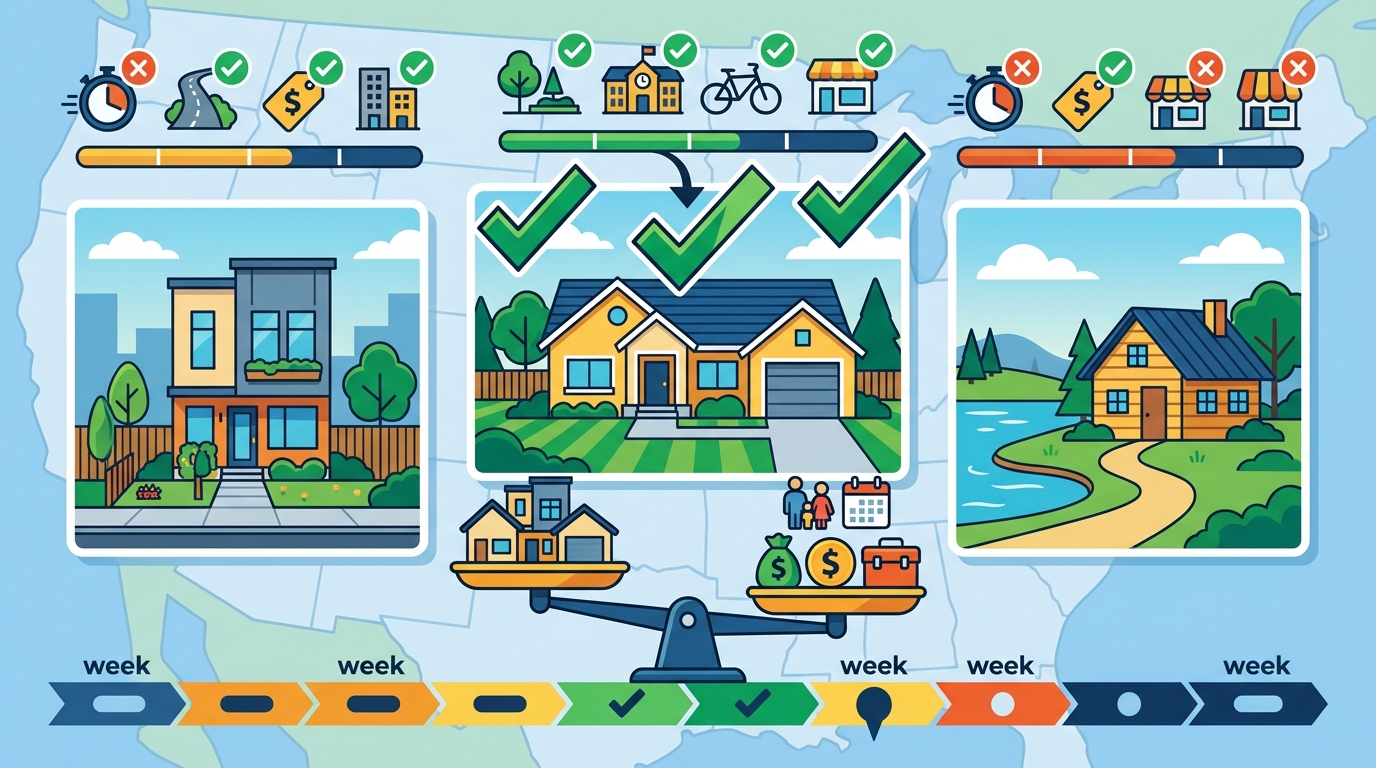
Pre-Approval Versus Pre-Qualification
Understanding your borrowing capacity is the first financial step. Pre-approval is a formal lender assessment that verifies your borrowing capacity based on documented income and credit history. This document strengthens your position when making offers. Mortgage pre-approval eliminates guesswork from your search. You will know exactly which price ranges are accessible. Lenders evaluate debt-to-income ratios, employment stability, and available down payment funds. This process typically takes 48 to 72 hours. You should gather tax returns, pay stubs, and bank statements before contacting financial institutions.
Hidden Costs and Reserves
Homeownership extends beyond the purchase price. Property taxes, insurance premiums, and maintenance reserves require careful planning. Annual maintenance costs average 1 to 2 percent of the home value. You should allocate 1 to 2 percent of the home value annually for routine repairs. Closing costs typically range from 2 to 5 percent of the loan amount. Building a financial cushion prevents stress during the first year of ownership. You must factor these expenses into your monthly budget calculations.
Analyze Neighborhood Market Dynamics
Historical Pricing Trends
Real estate values fluctuate based on broader economic conditions. Market dynamics refers to the ongoing interaction between supply constraints, buyer demand, and local economic indicators that dictate property values. Lexington has experienced steady appreciation due to population growth and corporate relocations. You should review sales data from the past 12 months to identify trending neighborhoods. Free market analysis tools provide accurate comparative data. Properties in high-demand areas often receive multiple offers within the first week. Understanding these cycles helps you time your purchase strategically.
Future Development Impact
Municipal planning shapes long-term property values. New infrastructure projects, commercial developments, and zoning changes can boost or suppress neighborhood growth. You should consult city planning documents before committing to a specific area. Demographic shifts reveal where populations are moving and why. Areas near expanding business parks or university campuses often see increased rental demand. You should verify that proposed developments align with your long-term investment goals.
Evaluate Property Condition and Long-Term Value
Structural Integrity Checks
Physical condition directly impacts your budget and comfort. Roof age, foundation stability, and HVAC efficiency require professional inspection. You should never waive inspection contingencies without thorough due diligence. Older homes in established districts often feature superior craftsmanship but may need modern upgrades. Beaumont properties showcase classic architecture with modern renovations. You must budget for immediate repairs before moving in. Structural issues can quickly drain your financial reserves.
Renovation Budget Allocation
Customization costs vary widely based on your vision. Kitchen upgrades, bathroom remodels, and landscaping improvements add significant value. You should prioritize functional improvements over cosmetic changes. Flooring, lighting, and energy-efficient windows improve daily living standards. Professional contractors provide accurate quotes for complex projects. You should maintain a 15 percent contingency fund for unexpected expenses during renovations.
Execute a Strategic Property Search
Customized Listing Filters
Modern search platforms allow precise filtering based on your criteria. You should save searches that automatically notify you of new listings. Buyers resources provide structured guidance for navigating online databases. You must adjust filters as your preferences evolve. Square footage, bedroom count, lot size, and year built are essential parameters. You should also filter by price per square foot to identify undervalued properties. Consistent monitoring prevents missing competitive opportunities.
Virtual and In-Person Tours
Viewing properties in person reveals details that photos cannot capture. Natural light, neighborhood noise, and street parking availability matter significantly. You should schedule multiple tours to compare similar homes. Take notes during each visit to track your preferences. Virtual tours save time but cannot replace physical inspection. You should verify storage capacity, room flow, and outdoor space usability. Contact our team to schedule private showings for your shortlisted properties.
Finalize Your Selection and Secure Financing
Offer Strategy and Negotiation
Writing a competitive offer requires market knowledge and emotional discipline. You should work with experienced agents who understand local negotiation tactics. About Team Pannell highlights our commitment to guiding clients through complex transactions. You must balance your maximum budget with your minimum requirements. Appraisal gaps and inspection contingencies protect your financial interests. You should avoid overbidding on properties that do not meet your core criteria.
Closing Process Overview
The final steps involve title searches, final loan approval, and document signing. You should review all closing disclosures carefully before the settlement date. Title insurance protects against ownership disputes and hidden liens. You must verify that all agreed-upon repairs are completed before funding. Urban research indicates that proper closing preparation reduces post-purchase stress. You should schedule a final walkthrough 24 hours before closing to confirm property condition. This final verification ensures you receive exactly what you negotiated.
Neighborhood Comparison Overview
| Neighborhood | Average Price Range | Primary Lifestyle Fit | Key Amenities |
|---|---|---|---|
| Andover Forest | $350,000 to $550,000 | Family-focused suburban living | Parks, quiet streets, top-rated schools |
| Ashland Park | $280,000 to $420,000 | Historic charm with urban access | Walkable downtown, mature trees, cultural venues |
| Beaumont | $400,000 to $650,000 | Upscale renovation projects | Classic architecture, modern upgrades, established lots |
| Georgetown | $300,000 to $480,000 | Expanding suburban growth | New construction, commercial hubs, highway access |
Key Takeaways
- Average homebuyers spend approximately 10 weeks searching before making an offer.
- Pre-approval typically takes 48 to 72 hours to process.
- Annual maintenance costs average 1 to 2 percent of the home value.
- Closing costs generally range from 2 to 5 percent of the loan amount.
- Properties in high-demand neighborhoods often receive multiple offers within the first week.
- Team Pannell has helped thousands of buyers and sellers in Central Kentucky.
- Lexington median prices have shown steady appreciation over the past 12 months.
Frequently Asked Questions
How long does the pre-approval process take?
Most lenders complete the pre-approval process within 48 to 72 hours. You must provide recent pay stubs, tax returns, and bank statements. Lenders verify your employment status and credit history during this period. Having complete documentation speeds up the review timeline significantly.
What is the difference between pre-qualification and pre-approval?
Pre-qualification is an informal estimate based on self-reported financial data. Pre-approval is a formal lender assessment that verifies your borrowing capacity based on documented income and credit history. You should always pursue pre-approval before making offers. This document demonstrates serious intent to sellers.
How do I determine my maximum affordable home price?
You should calculate your debt-to-income ratio and subtract existing monthly obligations. Lenders typically approve loans up to 43 percent of your gross monthly income. You must also account for property taxes, insurance, and maintenance reserves. A detailed budget ensures you avoid financial strain after closing.
Why is a home inspection critical before purchasing?
Inspections reveal hidden structural issues, electrical faults, and plumbing failures. You should never waive inspection contingencies without thorough due diligence. Professional inspectors evaluate roofs, foundations, HVAC systems, and pest damage. This process protects your investment and prevents unexpected repair costs.
How do neighborhood trends affect long-term property value?
Market dynamics refers to the ongoing interaction between supply constraints, buyer demand, and local economic indicators that dictate property values. Areas near expanding business parks or university campuses often see increased rental demand. You should verify that proposed developments align with your long-term investment goals. Historical pricing trends provide reliable indicators of future appreciation.
What documents do I need to start the home buying process?
You should gather recent pay stubs, W-2 forms, tax returns, and bank statements. Lenders also require proof of employment and identification documents. You must disclose any outstanding debts or pending financial obligations. Organizing these materials early accelerates the approval timeline.
How can I save money on closing costs?
You should compare lender fees and title insurance rates from multiple providers. Some lenders offer lender credits to offset closing expenses. You can also negotiate seller concessions to cover a portion of the fees. Understanding standard costs helps you budget accurately for the transaction.
Begin Your Property Search Today
Identifying the right property requires careful planning, financial discipline, and expert guidance. You should start by defining your lifestyle priorities and establishing a realistic budget. Our team provides comprehensive support throughout every stage of the transaction. Visit our homepage to explore current listings and schedule a consultation. You can also access our Buyers Guide for detailed step-by-step instructions. Contact us today to secure your pre-approval and begin viewing properties that match your exact criteria. We are ready to help you find your perfect Lexington home.